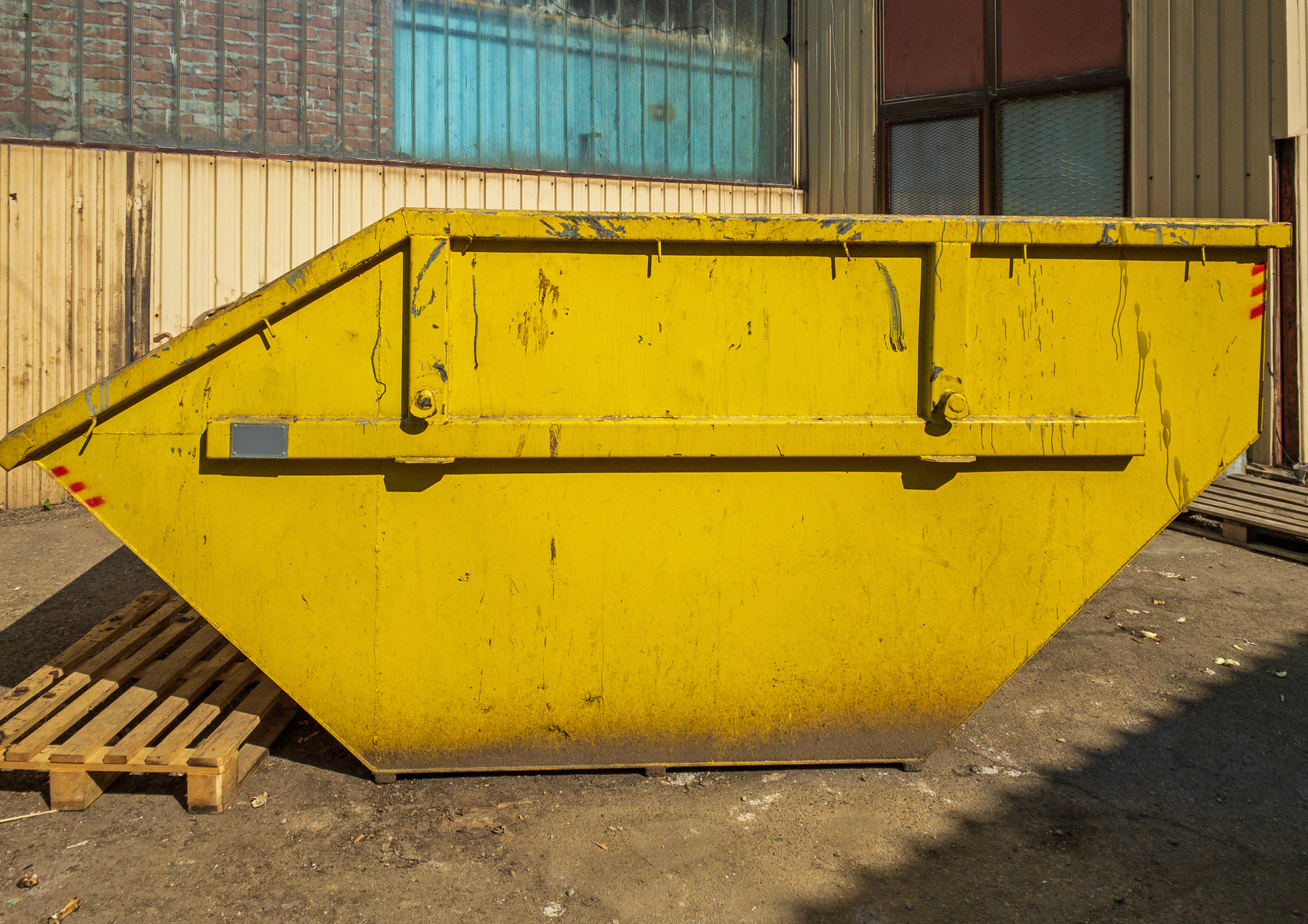

Finding Cheap Skip Hire Without Compromising on Convenience Today
Waste removal can represent an important part of the planning for household clearances, property renovations, garden projects and commercial work. Keeping expenditure under control is understandable, but selecting a service solely because it has the lowest initial quotation may not always provide the most practical solution. Finding cheap skip hire involves considering affordability alongside capacity, delivery arrangements, accessibility and collection so that waste management fits naturally around the project.
Homeowners may require a container for decluttering, decorating or refurbishment, while landlords often need practical waste removal when preparing properties between occupants. Surveyors and local authorities can have additional requirements when coordinating maintenance or clearance work. Commercial properties may generate larger quantities of material and require disposal arrangements that minimise disruption to staff, customers or contractors.
Convenience should therefore remain part of the decision. An affordable arrangement that suits the project timetable, property and expected volume can provide greater practical value than simply choosing the lowest advertised figure.
Understanding What Makes an Affordable Service Good Value
Finding the cheapest skip hire near me may be an understandable starting point when trying to control project expenditure, but the lowest quotation should be considered alongside what the service actually provides. Size, duration, delivery arrangements and collection procedures can all affect whether an option represents practical value.
Compare Suitable Capacities
- Estimate the amount of waste before requesting quotations rather than automatically choosing the smallest option.
- Consider bulky objects such as furniture, old cabinets and garden materials that can occupy capacity quickly.
- Avoid selecting substantially more space than the project is realistically expected to require.
- Ask for guidance when the likely waste volume is difficult to estimate.
Check What the Service Includes
- Understand the expected delivery and collection arrangements before confirming a booking.
- Check the anticipated hire period and whether it suits the project timetable.
- Establish what types of material are suitable for the chosen arrangement.
- Make sure important requirements are clear before work begins.
Consider Property Access
- Identify an appropriate position before delivery.
- Check whether gates, parked vehicles, narrow roads or other obstacles could affect access.
- Keep the proposed placement area clear before the delivery vehicle arrives.
- For commercial premises, consider staff, customer and contractor access as part of the plan.
Plan Around the Project
- Arrange delivery close to the stage when significant waste generation is expected to begin.
- Avoid having equipment arrive considerably earlier than necessary.
- Estimate when the project is likely to finish so collection can be coordinated efficiently.
- Allow for possible changes where renovation or building schedules may be affected by other work.
A quotation becomes more meaningful when these factors are considered together. Customers can then compare options according to what their particular project requires rather than judging value from a single figure.
Balancing Affordability with Convenience During a Project
An affordable waste solution should make a project easier to manage rather than creating additional work. When considering cheap skips, customers should think about how delivery, placement, loading and collection will fit around the activities taking place at the property.
Convenient placement is particularly important. Positioning equipment reasonably close to the area where waste is being generated can reduce the distance materials need to be carried. This can be useful during household clearances and renovations where furniture, old fittings and other items need to be moved from several rooms.
At residential properties, the available space may influence what is practical. Driveways and other suitable private areas can provide convenient positioning, while properties with more restricted access may require additional planning. Thinking about this before making a booking reduces the likelihood of discovering problems when delivery takes place.
Project timing deserves similar attention. A container that arrives too early may occupy useful space while little waste is being produced. Arriving too late can allow rubbish to accumulate around rooms, gardens or working areas. Coordinating delivery with the actual start of waste-producing work creates a more efficient arrangement.
Homeowners carrying out DIY projects can benefit from estimating which stages will create the most waste. Stripping a kitchen or bathroom, for example, may produce substantial material near the beginning of a renovation. Later stages could generate considerably less.
Landlords preparing properties between occupants may need to coordinate clearance work with cleaning, decorating and maintenance. Removing unwanted items at an appropriate point can give other trades clearer access and prevent materials from being moved repeatedly around the building.
Commercial premises require similar planning on a larger scale. Offices and retail properties may continue operating while certain areas are being cleared or refurbished. Positioning and collection should therefore take normal activity into consideration wherever possible.
Convenience also depends on clear communication. Customers should understand what they can load, when collection is expected and what to do if their project schedule changes. Knowing these details beforehand reduces uncertainty and makes it easier to coordinate waste removal with other tasks.
A service does not necessarily need additional features to be convenient. Often, straightforward arrangements, appropriate capacity and dependable communication are what matter most. The objective is to find an affordable option that fits the actual project without introducing avoidable complications.
Choosing the Right Capacity Without Paying for Unused Space
Selecting an appropriate size is one of the most effective ways to find cheap skip hire without sacrificing practicality. Capacity should reflect the amount and type of waste expected, as choosing too little space can be inconvenient while substantially overestimating requirements can mean paying for capacity that remains unused.
Small Household Projects
- Decluttering individual rooms can produce relatively modest quantities of waste.
- Decorating projects may involve old flooring, packaging and unwanted household items.
- Garage and loft clearances can include bulky objects that need to be considered separately.
- Assessing the complete job beforehand provides a clearer idea of likely requirements.
Renovation Work
- Kitchen projects can generate cabinets, worktops, old fixtures and flooring.
- Bathroom refurbishments may produce fittings and other renovation materials.
- Larger property improvements can create waste across several stages of work.
- Estimating the complete renovation helps prevent capacity being based only on the first stage.
Garden Clearances
- Pruning and landscaping can produce branches and other bulky organic materials.
- Old fencing, garden furniture and unwanted outdoor items can increase the required space.
- Customers should consider both the quantity and physical dimensions of the material.
- Organised loading can help make more effective use of the available capacity.
Commercial Projects
- Office clearances can involve desks, chairs, shelving and storage materials.
- Retail refurbishments may generate fixtures, displays and packaging.
- Larger commercial properties can produce waste gradually as different areas are completed.
- Coordinating capacity with individual stages of work can help maintain an organised site.
Choosing by project requirements rather than price alone provides a more balanced approach. A suitably sized option can reduce unnecessary changes during the work and make waste management easier from initial loading through to collection.
Planning Ahead to Keep Waste Removal Within Budget
Good preparation is central to budget skip hire, because many avoidable difficulties begin when customers make arrangements before fully considering the scale, duration or access requirements of their project. Taking a little time to prepare can help waste removal remain both economical and convenient.
Start by assessing the property systematically. Walking through every room or work area helps create a clearer picture of what will be removed. Garages, lofts, sheds, storage areas and gardens should be included where relevant because they can contain substantial amounts of material that are easily overlooked.
For commercial premises, the assessment may need to cover offices, storage areas, communal spaces and external sections. If work is being completed in phases, customers should consider whether all waste will be generated at once or gradually over a longer period.
Sorting can also improve organisation. Items that are staying at the property should be separated clearly from materials intended for disposal. Reusable items can be put aside where appropriate, while customers should establish whether particular materials require alternative arrangements.
Loading efficiently can make better use of available capacity. Bulky suitable items may sometimes be dismantled, while smaller materials can be positioned carefully around larger objects. Avoiding large unused gaps can help customers make more effective use of the space they have arranged.
Project duration should also be estimated before booking. A weekend household clearance has different requirements from a renovation continuing over several weeks. Knowing approximately how long equipment will be needed allows customers to discuss an arrangement that fits their actual timetable.
Access preparation is equally important. The intended placement area should be kept clear, and customers should think about how materials will travel from the building to that location. A convenient route can reduce unnecessary handling during busy clearance or renovation work.
Landlords can coordinate waste removal with contractors preparing a property for its next use. Surveyors may need cleared areas before assessments or other work can proceed. Local authorities coordinating maintenance can similarly plan disposal around wider project schedules.
Commercial customers should consider normal operations when planning delivery and collection. Maintaining important entrances and vehicle routes can help prevent waste management from interfering unnecessarily with staff or visitors.
Planning does not mean every detail must be known in advance. Projects can change, particularly during renovation work. However, having a realistic initial understanding of capacity, access and timing provides a stronger basis for adapting if circumstances develop differently than expected.
Finding
cheap skip hire does not have to mean sacrificing convenience or choosing a service that does not suit the project. Genuine value comes from matching the waste solution to the amount of material being removed, the available space and the expected project timetable.
Homeowners can benefit from assessing household, garden and renovation waste before booking. Landlords may need to coordinate removal with cleaning and maintenance, while surveyors and local authorities can consider how disposal fits into wider programmes of work. Commercial properties often require additional attention to access, operating hours and the needs of contractors.
Choosing appropriate capacity remains particularly important. A container that is too small can create additional complications, while one that is substantially larger than necessary may provide little practical benefit. Realistic estimation helps create a better balance between affordability and convenience.
Customers should also prepare the property before delivery, maintain clear access routes and consider when collection will be required. These relatively simple steps can make the entire process easier to manage.
Ultimately, affordable waste removal is most useful when it supports the project rather than interrupting it. Looking beyond the initial quotation and considering the complete arrangement helps customers make a more informed choice while keeping residential and commercial clearances organised from beginning to end.
Skip Hire Poole provides practical waste removal solutions for homeowners, landlords, surveyors, local authorities and customers responsible for residential or commercial properties. We understand that affordability matters, but we also recognise that capacity, accessibility and convenient arrangements can influence the overall experience.
Customers comparing
cheap skip hire prices can benefit from considering what their project actually requires before making a decision. We aim to provide straightforward guidance so that expected waste volume, available space and project duration can all be taken into account.
Check out our latest X update on how to find
cheap skip hire without compromising on convenience!
You might also like