
A Guide to Choosing the Skip Size You Need When You Rent a Skip
Choosing the right size is essential for any project that produces waste. Whether you’re renovating a home, clearing an office, landscaping a garden, managing event waste, or working on a construction site, selecting the right container ensures everything runs smoothly. A skip that’s too small can lead to delays or extra collections, while one that’s too large may mean paying for space you don’t need. Taking time to choose wisely makes the decision to rent a skip far more efficient and cost-effective.
This guide helps construction firms, homeowners, and businesses choose confidently whenever they need to rent a skip.
Understanding Common Skip Sizes and What They’re Used For
Before deciding which size is right for your project, it helps to understand the most common options available in the UK. Sizes typically range from small domestic containers to larger units ideal for commercial or construction waste. The most popular options include mini, midi, builders’, and large skips.
Mini skips, such as 2-yard and 3 yard skips, are compact and ideal for small household tasks like clearing cupboards, removing light garden waste, or undertaking minor room refreshes. They fit easily in driveways and take up minimal space, making them perfect for tight residential areas.
Midi skips, such as 4-yard and 5-yard sizes, suit medium-scale projects like bathroom renovations, small kitchen refurbishments, or decluttering before a house move. They offer enough space for mixed waste, including broken furniture, old fixtures, tiles, and moderate amounts of DIY debris.
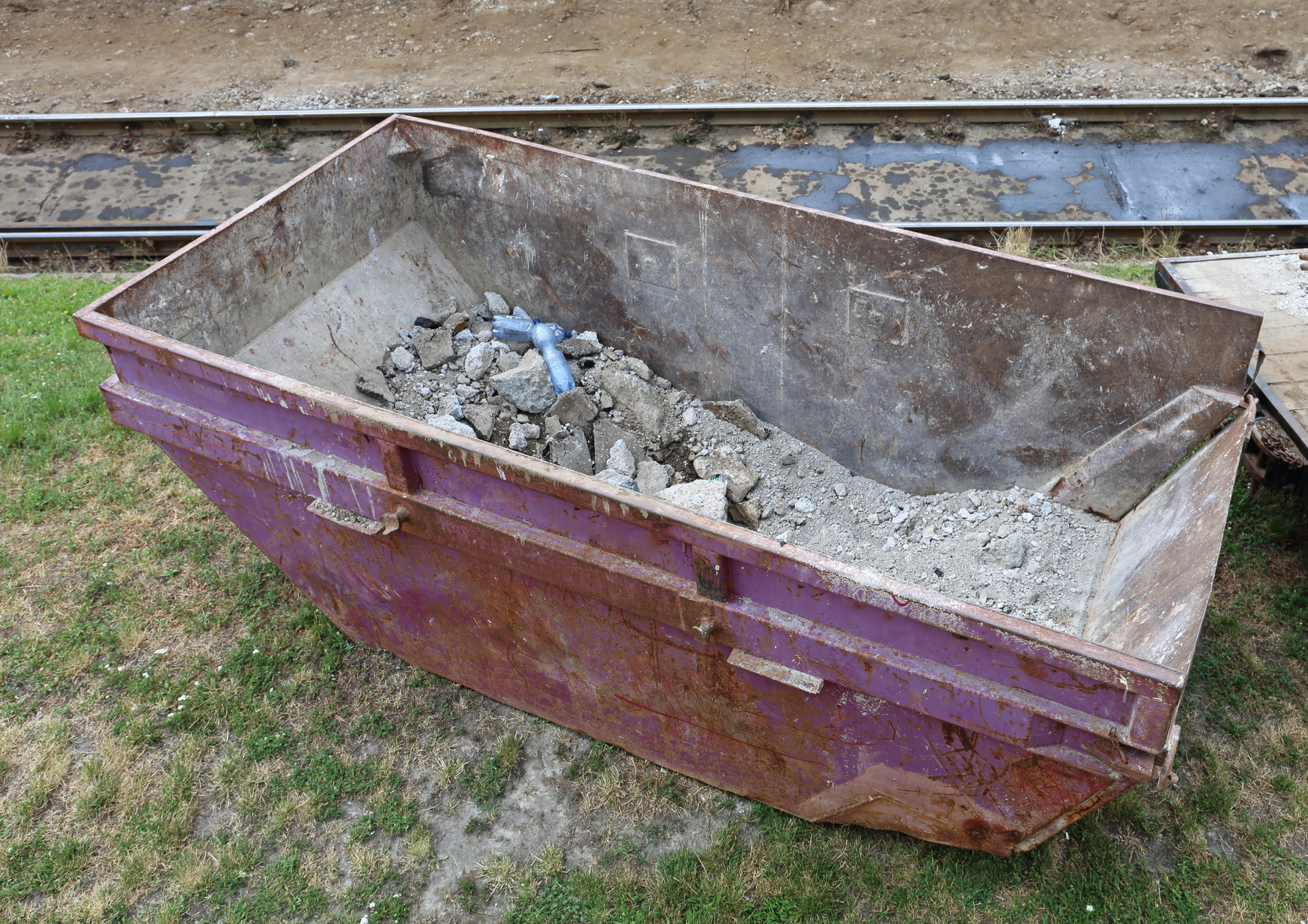
Builders’ skips, typically 6-yard and 8-yard containers, are widely used in construction and renovation. They hold significant waste volumes and accommodate soil, rubble, bricks, metal, wood, and bulky materials removed during structural works. These skips are also popular for large domestic projects, extensions, and full-room renovations.
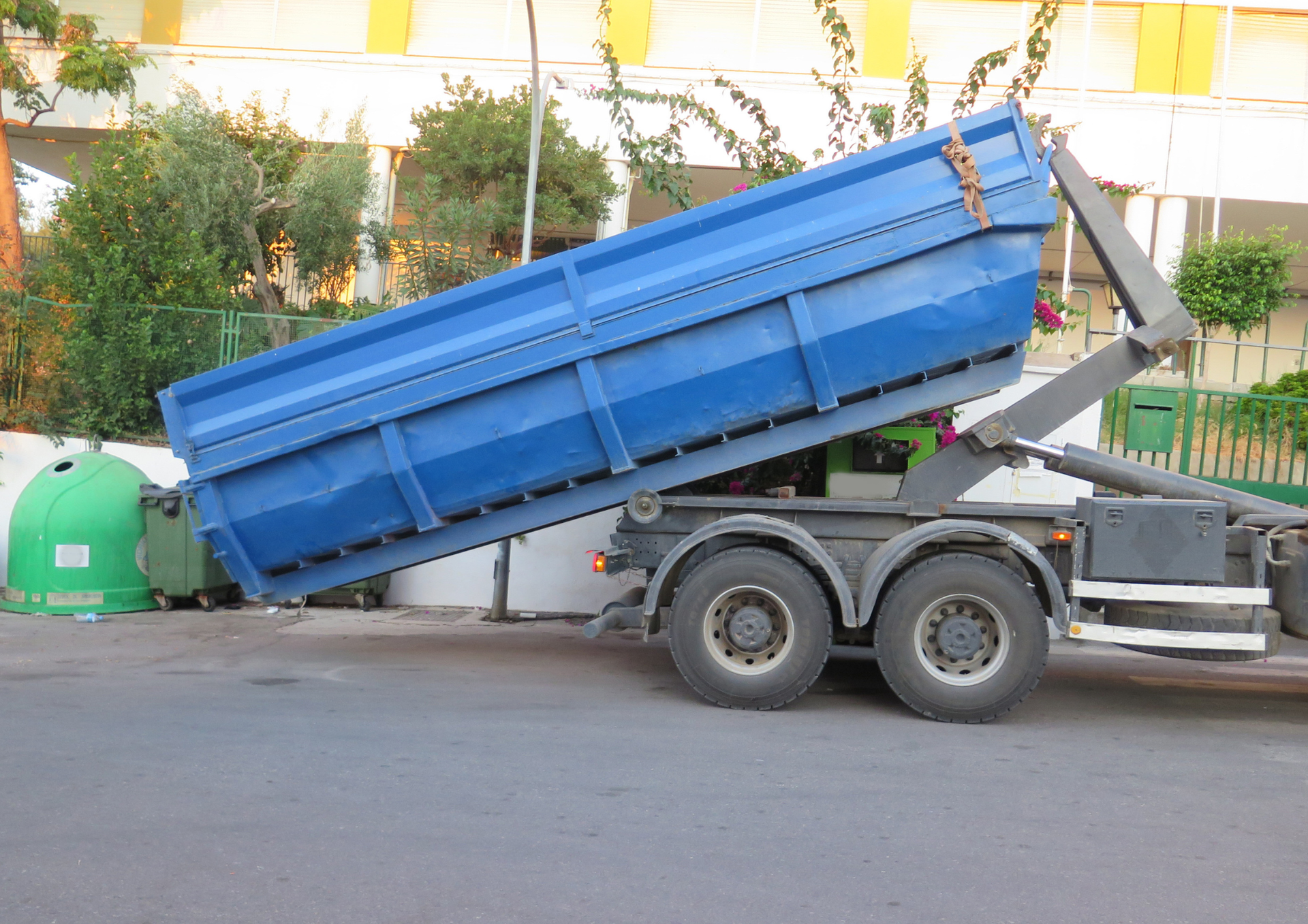
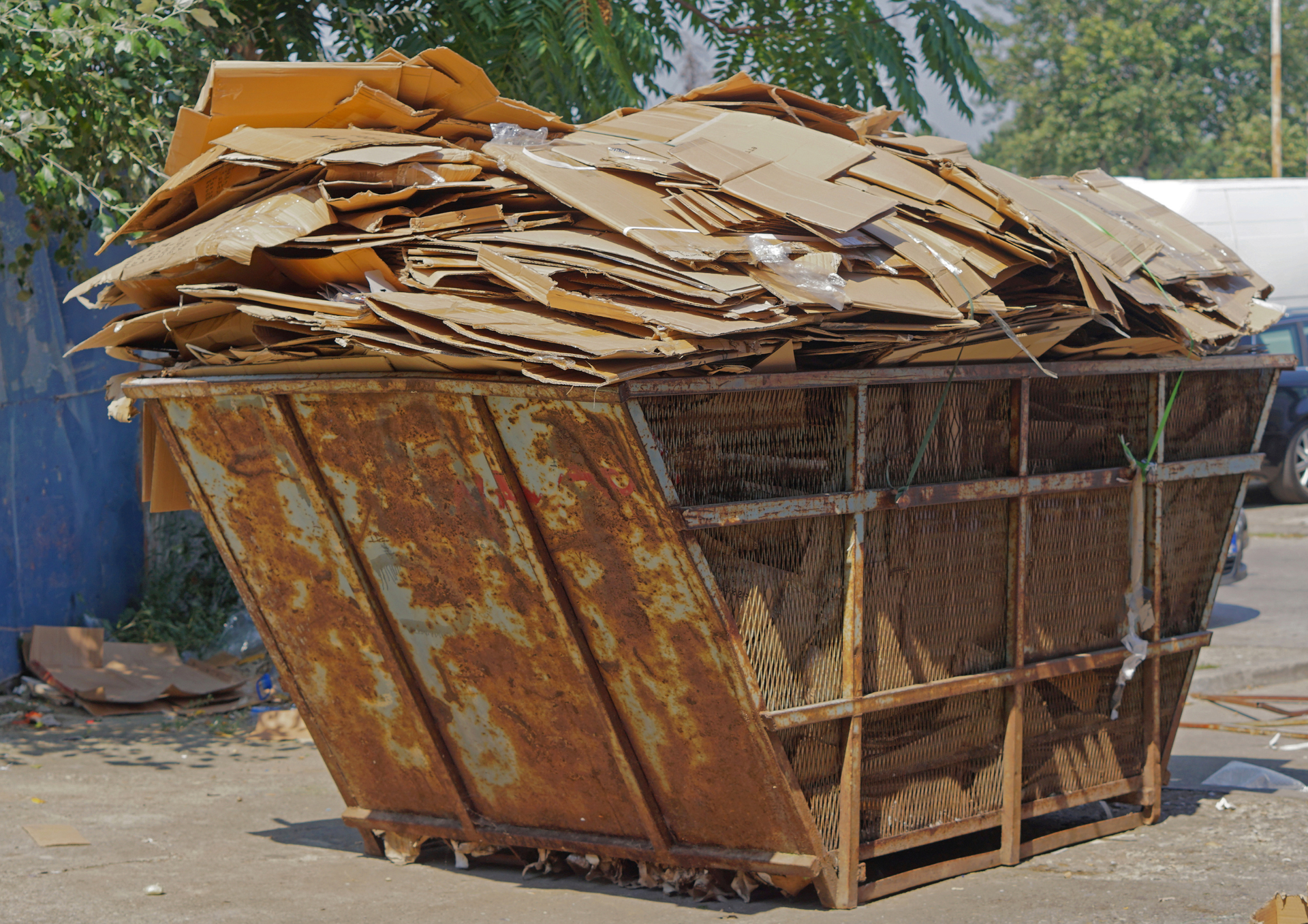
Finally, large skips, ranging from 10 yards to 16 yards, are designed for high-volume lightweight waste, such as packaging, plastics, insulation, and office or shop clearance materials. These sizes are often used by commercial premises, event organisers, and businesses undergoing major refurbishments. They are not usually suitable for soil or rubble due to weight restrictions.
By understanding these options, you’ll be better prepared to choose the right skip when you next rent a skip, ensuring both convenience and efficiency for your project.
Factors to Consider Before Choosing a Skip Size
When planning any project, your waste output may be more substantial than expected. That's why selecting the correct skip size matters. Several important factors affect your decision, and evaluating them thoroughly will help avoid costly mistakes.
The type of waste is the first major consideration. Different skips are suited to specific waste categories. For example, heavy waste like soil, bricks, and concrete must go into smaller builders’ skips for safety and compliance with weight limits. Large skips are intended for lighter materials, which makes them ideal for office clear-outs, loft cleanouts, and event waste. Identifying the waste you’ll generate ensures you use the most appropriate skip.
Next, think about the volume of waste. A common rule is to estimate how much waste you expect, then choose one size larger than your initial guess. Most people underestimate how much debris renovation or clearance projects produce, and selecting a size up helps you complete the job without interruptions.
Space availability is also essential. Skips must be placed on your private property where possible, such as a driveway or construction site. If your project requires placing a skip on a public road, you may need a permit. Larger skips naturally require more space, so planning ahead is crucial.
Another factor is project duration. Longer projects, such as multi-week renovations or phased construction work, may benefit from larger skips or multiple exchanges (emptying and replacing the skip). In contrast, short projects, like weekend clearouts or quick refurbishments, often only require one small or medium skip.
Finally, consider the convenience and efficiency of having enough room to dispose of all your waste in one go. A correctly chosen skip helps avoid delays, additional collections, and unnecessary expenses, giving you peace of mind throughout the job.
Examples of Skip Sizes for Specific Projects
To make the decision easier, it helps to explore some practical examples of the most suitable sizes for typical projects. These examples demonstrate how choosing the right size can improve efficiency, reduce costs, and keep your site organised.
For home clearances, such as decluttering a loft, garage, or spare bedroom, a 4-yard or 5 yard skip offers ample space for furniture, old boxes, soft furnishings, and general household waste. These options are manageable for residential driveways and ideal for families undertaking seasonal cleanouts.
For medium renovation projects, including bathroom remodels, new flooring installation, or kitchen upgrades, a 6-yard or 8-yard is usually the best choice. These skips can hold old fixtures, cabinets, tiles, plasterboard, flooring materials, and packaging waste, helping homeowners maintain tidy and safe work areas.
Construction companies often select skips due to their capacity to hold rubble, timber, metal, drywall, and demolition debris. For larger structural works, having more than one skip available ensures waste is continually removed as the project progresses. This improves efficiency and supports better site management.
Businesses undergoing office refurbishments or relocating premises frequently opt for 10-yard to 14 yard skips. These sizes easily accommodate desks, chairs, shelving, carpet tiles, cardboard, electrical equipment, and assorted general waste generated during the transition.
Landscapers and grounds maintenance teams commonly use skips for garden and outdoor projects such as removing soil, turf, foliage, old decking, fencing, and patio rubbish. Soil and rubble must always go in smaller skips to meet weight restrictions, while larger skips are well suited to bulky materials like timber and green waste.
Event organisers often hire large skips when managing waste from festivals, markets, and outdoor events. These skips handle high volumes of lightweight waste, helping maintain a clean and safe environment throughout setup and pack-down.
By reviewing these scenarios, it becomes easier to pick the right option when you need to rent a skip, ensuring your project stays organised and efficient from beginning to end.
Additional Considerations for a Smooth and Cost-Effective Experience
Once you’ve chosen your size, it’s important to think about a few practical considerations that will help you get the most from your hire. Planning ahead saves time, helps you stay compliant with waste guidelines, and ensures a smoother overall process.
First, consider whether you may need to place the skip on a public road. If so, you might require a permit from your local council. These permits vary in price and processing time, so it’s best to arrange them early to avoid delays. If possible, always aim to place the skip on private property to simplify the process.
It’s also essential to be aware of prohibited items. Hazardous waste such as chemicals, asbestos, tyres, fridges, and certain electrical items cannot be placed in standard skips. Ensuring your waste complies with disposal regulations helps safeguard the environment and avoids fines. If you expect to dispose of restricted items, specialist services may be required.
Efficient loading of your skip can also make a big difference. Breaking down bulky items, flattening boxes, and placing heavier materials at the bottom helps you maximise capacity. Avoid overfilling, as skip companies must transport loads safely, and overfilled skips may not be collected.
Many people planning a project take time to look at skip hire prices, comparing providers based on size, duration, and location. While cost matters, value and reliability are equally important. A trustworthy provider supports your project with prompt delivery, straightforward guidance, and responsible waste handling—qualities that make the experience smoother and more predictable.
It’s also common for customers to search for skip hire near me when seeking a local, reliable service. Choosing a nearby provider helps ensure prompt delivery and collection, particularly during busy periods or time-sensitive projects.
Businesses and homeowners looking for convenient, dependable waste solutions often turn to local skip hire, which provides a familiar service with fast response times. A nearby provider understands regional waste regulations and offers personalised support tailored to local needs.
Finally, understanding the breakdown of a skip hire cost can help you plan your budget effectively. Factors such as size, hire duration, waste type, location, and permits all contribute to the total price. Being aware of these elements helps you make informed decisions and avoid unexpected expenses.
Choosing the right size is essential for ensuring your project stays organised, efficient, and cost-effective. Whether you’re renovating a home, preparing a construction site, clearing out an office, landscaping a garden, or managing event waste, selecting the appropriate size will give you the space you need while preventing unnecessary delays or added costs. By considering your waste type, project scale, space availability, and safety requirements, you can confidently select the ideal option for your needs. No matter where you are in the UK, the process remains the same—estimate your waste, choose a suitable skip, and plan ahead for a smooth and stress-free experience.
Choosing
Skip Hire Poole
means accessing clear, reliable, and trustworthy guidance to help you select the right skip with confidence. We offer straightforward information, helpful advice, and professional support tailored to homeowners, businesses, tradespeople, and event organisers. Our platform simplifies the process, giving you the knowledge you need to make informed decisions about sizes, waste types, and project planning. Whether you're preparing for a small household job or a large commercial project, our service ensures clarity, convenience, and dependable assistance every step of the way.
Just out on X:
Rent a skip? Here’s how to choose the perfect skip size!
You might also like