
How Weight Restrictions Apply to Skips on Construction Sites
Managing waste effectively is a key part of any refurbishment, construction, or clearance project. While selecting the correct container size is important, understanding weight limits on skips is equally essential. In Poole, where both residential improvements and commercial developments continue across a range of property types, careful attention to loading practices helps ensure safe and compliant waste removal.
Why Weight Limits Exist and Why They Matter
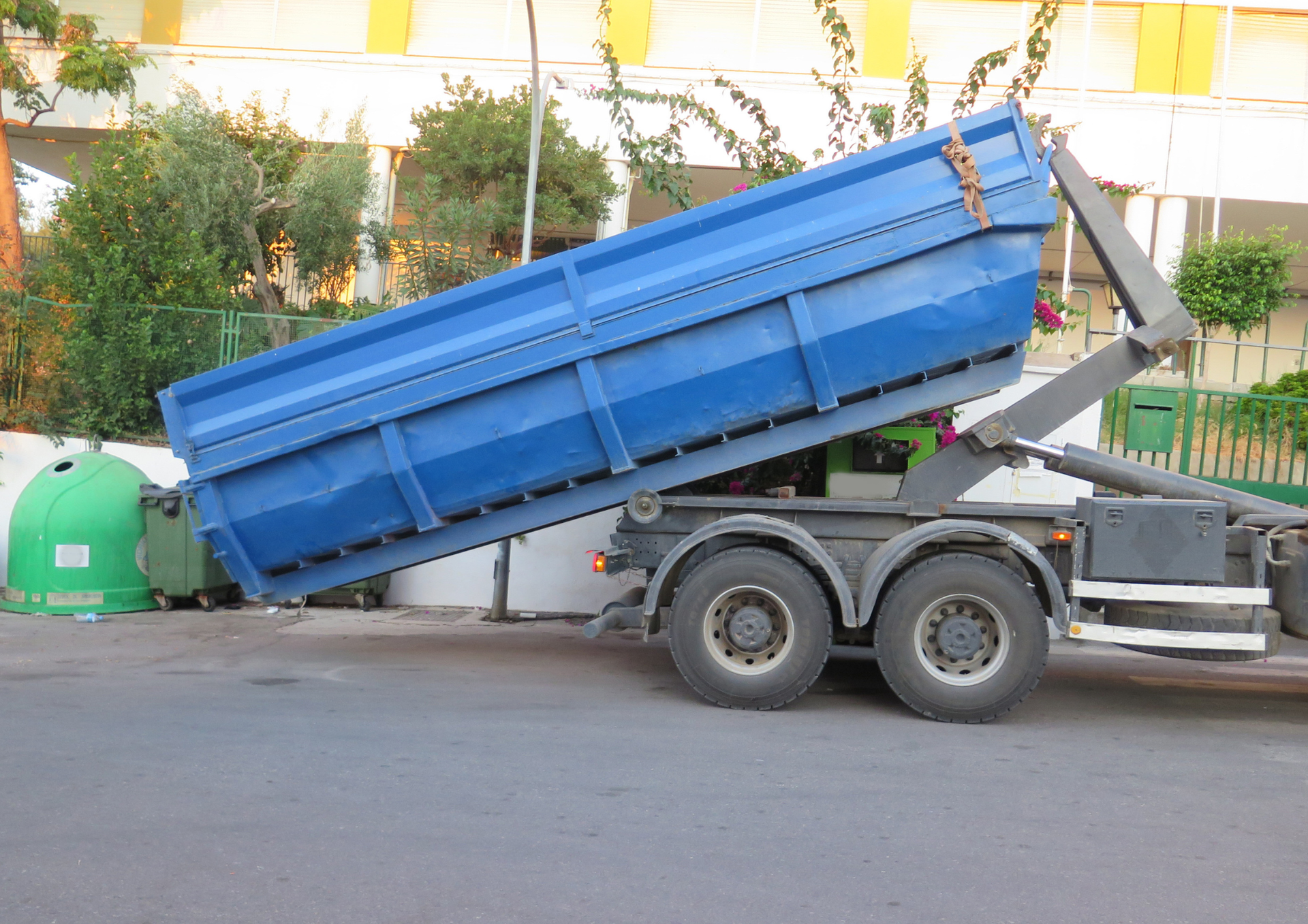
Weight limits are applied to skips to ensure safe transportation and responsible disposal. Collection vehicles are designed to lift and carry loads within specific thresholds. Exceeding these limits can create operational challenges and safety concerns during collection and transport.
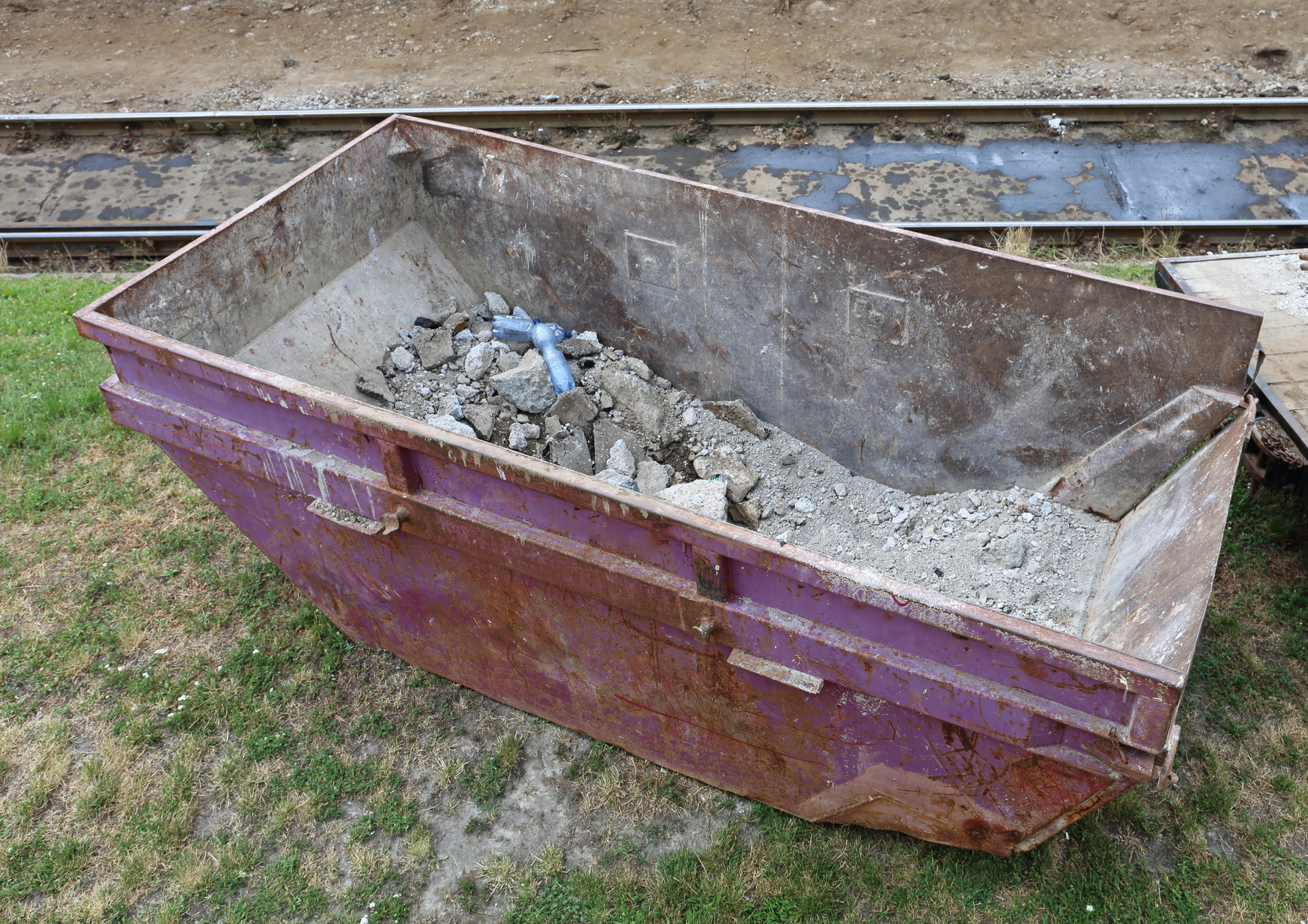
Heavier materials such as soil, bricks, concrete, and hardcore can quickly increase the overall load, even if the container appears only partially full. This is because weight, not just volume, determines whether a skip can be legally and safely removed from site.
The Impact of Different Waste Types
Not all waste weighs the same. General household and refurbishment debris such as wood, plastics, packaging, and fixtures are relatively lighter compared to inert materials. By contrast, construction waste including rubble, concrete slabs, and soil is significantly denser.
For smaller domestic renovations, weight limits are rarely exceeded when loading mixed waste responsibly. However, excavation works or driveway replacements can reach maximum thresholds quickly due to the density of materials involved.
When arranging skip hire, discussing the nature of your waste at the outset allows the correct container to be supplied. For heavy materials, smaller ones may sometimes be recommended to avoid exceeding allowable loads. This approach helps maintain compliance and ensures efficient collection.
For those planning to order a skip, being clear about whether your waste consists primarily of light refurbishment materials or heavy inert debris makes a considerable difference in selecting the appropriate option.
Loading Practices and Safe Site Management
Responsible loading plays a vital role in staying within permitted limits. Materials should be distributed evenly throughout the container to maintain stability. Concentrating heavy items in one area can create imbalance and affect lifting during collection.
It is also important not to fill the skip above the marked level. Overfilled containers can pose hazards during transport and may require adjustment before removal. Ensuring waste remains level with the top edge supports safe handling.
Many customers now prefer to skip online, allowing them to select container sizes and confirm hire arrangements conveniently. While this offers efficiency, accurate information about waste type and expected volume remains essential to avoid weight-related issues later.
Occasionally, clients refer to skip’s when discussing container hire, but what matters most is understanding the specific weight guidance provided at the time of booking. Clear communication helps prevent misunderstandings and ensures the container supplied matches project requirements.
Weight Considerations for Residential and Commercial Projects
In Poole, projects range from small domestic clearances to larger commercial redevelopments. Each scenario presents different loading considerations. Homeowners replacing patios or undertaking garden landscaping should be aware that soil and paving materials are particularly heavy. Landlords managing property refurbishments may generate a mixture of light and moderate-weight debris. Surveyors overseeing structural alterations or local authorities coordinating public works often require careful planning to ensure compliance across larger sites.
For commercial properties, coordinating waste removal in line with project milestones can prevent containers from becoming overloaded. Timely collection and replacement where necessary help maintain productivity and minimise disruption.
Skip Hire Poole provides reliable skip solutions tailored to the needs of homeowners, landlords, surveyors, and local authorities across the area. We offer clear guidance on selecting suitable container sizes, straightforward booking options, and dependable delivery and collection.
Our team understands the practical demands of residential and commercial developments. With responsive service and professional advice, we help ensure your skips and overall waste management arrangements remain organised and efficient at every stage of your project.
Update on X: What you need to know about weight limits for
skips.
You might also like