
Skips for Home Extensions and Building Waste Removal for Projects
Home extension projects offer an excellent way to increase living space, improve property value, and adapt buildings to changing needs. Whether extending a kitchen, adding a new bedroom, converting a garage, or creating additional commercial space, construction work inevitably generates significant amounts of waste. Bricks, concrete, timber, plasterboard, roofing materials, packaging, soil, and general debris quickly accumulate throughout every stage of the project.
Managing this waste efficiently helps maintain a safer and more organised working environment while keeping projects moving according to schedule. Waste left scattered around a property can restrict access, create unnecessary hazards, and slow down contractors carrying out different stages of the build.
For homeowners, landlords, surveyors, local authorities, and those managing residential and commercial properties, selecting appropriate waste management solutions before work begins helps simplify the entire construction process. Skips remain one of the most practical and convenient methods of collecting and removing construction waste throughout projects of all sizes.
Planning Waste Management Before Your Extension Begins
Many people focus on architectural plans, budgets, materials, and contractors but overlook how much waste a home extension will actually produce. Even relatively modest building work can generate several tonnes of waste before the project is complete.
Early planning allows builders to work more efficiently without repeatedly stopping to clear debris or transport waste away in smaller loads. Keeping waste contained in one designated location also reduces clutter around the property and provides safer access for trades carrying out electrical work, plumbing, roofing, plastering, decorating, and landscaping.
Different stages of construction often produce different waste streams. Groundworks may generate excavated soil, clay, hardcore, and concrete. Structural work frequently creates timber offcuts, bricks, blocks, insulation, and cement bags. Internal finishing introduces plasterboard, flooring, packaging materials, and old fixtures removed during refurbishment.
Considering where waste will be stored before work begins helps minimise disruption for neighbours while allowing vehicles and equipment to continue accessing the site without unnecessary obstruction. Careful planning also makes it easier to estimate how much waste will be produced, helping avoid delays caused by containers reaching capacity unexpectedly.
Managing Different Types of Building Waste Efficiently
Construction and extension projects generate a wide variety of waste materials, each requiring careful handling and organised disposal. Using skips throughout the project helps keep the site tidy, improves efficiency, and allows different types of waste to be managed more effectively.
Heavy Construction Waste
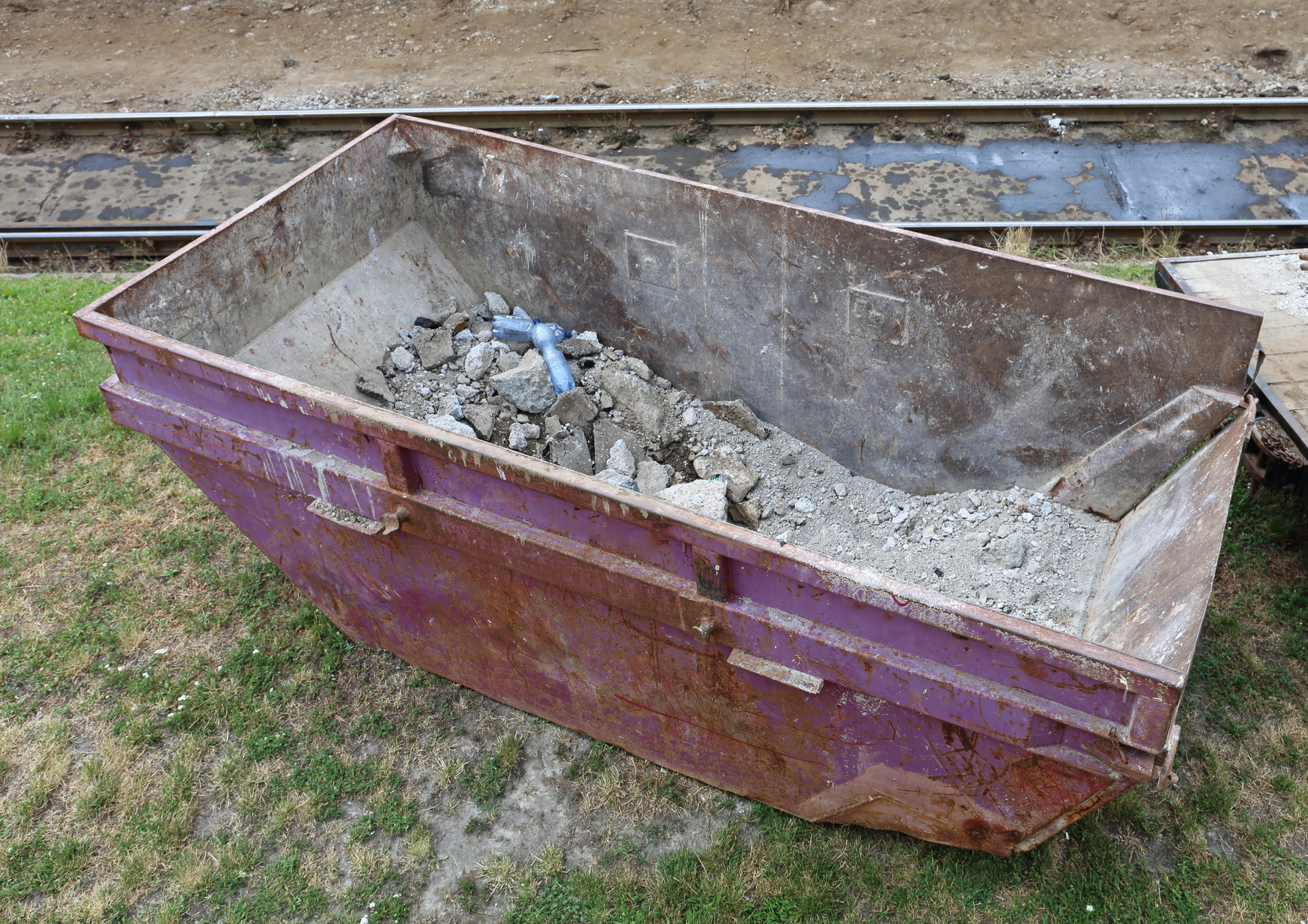
- Concrete, bricks, blocks, paving slabs, and hardcore produced during demolition and foundation work.
- Heavy materials require appropriate handling due to their weight, particularly on larger renovation and extension projects.
Timber and Carpentry Waste
- Timber offcuts from framing, roofing, flooring, and interior carpentry.
- Although lighter than rubble, timber can quickly occupy valuable workspace if not removed regularly.
General Building Materials
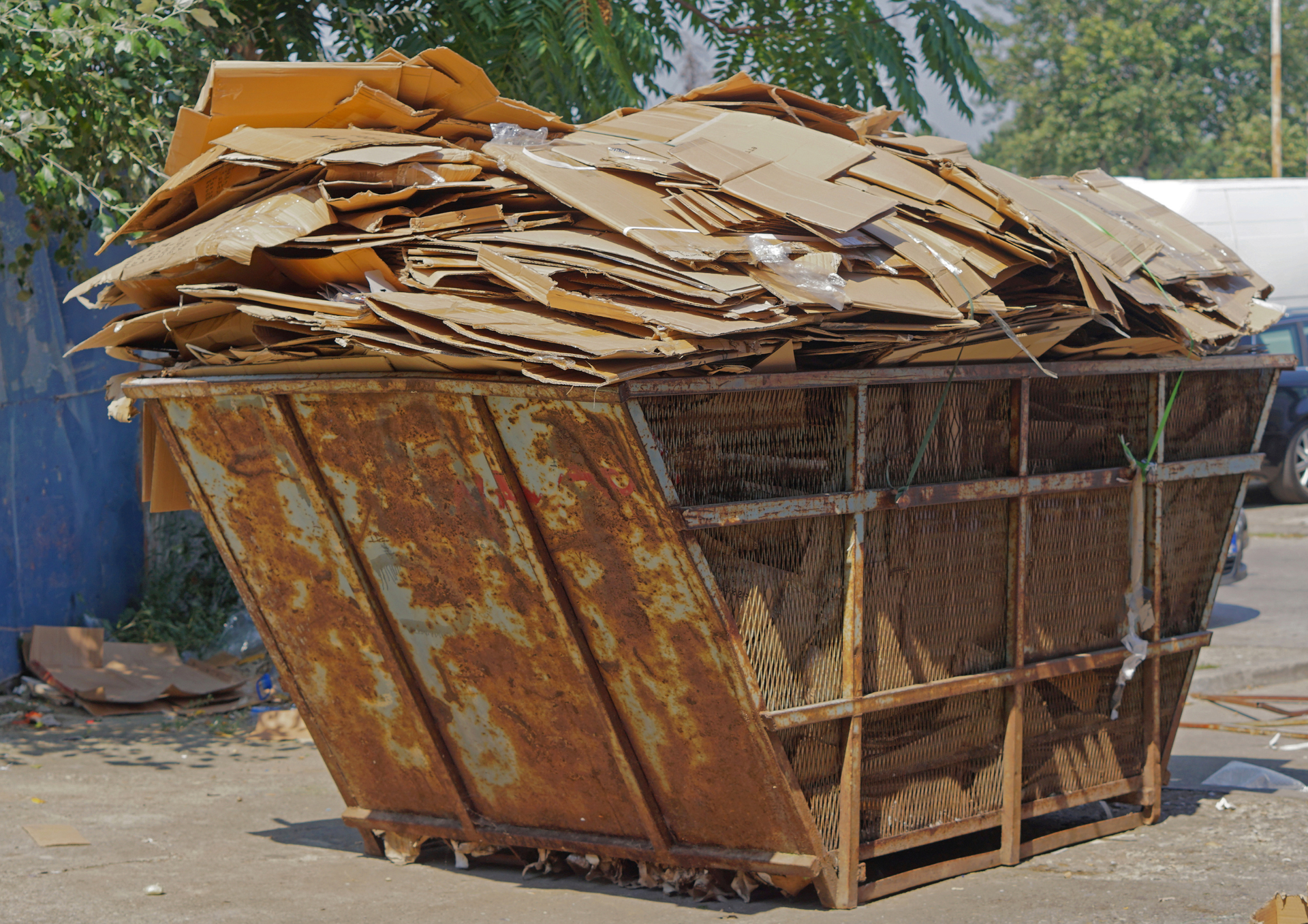
- Plasterboard, insulation, plastics, cardboard packaging, protective wrapping, and empty material bags.
- Separating suitable materials where practical can improve recycling opportunities while helping to keep work areas organised.
Landscaping and Garden Waste
- Soil, turf, shrubs, fencing, paving, gravel, and green waste generated when landscaping forms part of the extension project.
- Dedicated skips provide a convenient way to contain outdoor waste as work progresses.
Metal Waste
- Old pipework, radiators, guttering, reinforcement bars, structural steel sections, and metal fencing removed during refurbishment.
- Keeping metal waste separate where appropriate can simplify disposal and site organisation.
Benefits of Organised Waste Removal
- Maintains a cleaner and safer working environment.
- Improves access for contractors and equipment.
- Reduces delays caused by accumulated debris.
- Helps projects remain organised from start to finish.
Many property owners choose to order a skip before construction begins so waste can be collected as it is produced rather than accumulating around the property.
Choosing the Right Container Throughout Every Stage
Every construction project produces different amounts of waste depending on the size of the property, the scope of the extension, and the materials involved. Choosing the right skip helps keep waste under control, supports an organised site, and allows work to continue with minimal disruption.
Domestic Home Extensions
- Smaller extensions generally produce manageable amounts of waste during demolition and groundwork.
- As structural work progresses, waste volumes often increase with bricks, timber, roofing materials, and plasterboard.
Larger Renovation and Commercial Projects
- Medium-sized renovations may require greater waste capacity due to internal wall removals, flooring, roofing materials, and excavation work.
- Commercial property improvements often generate continuous waste across multiple construction phases, making regular waste collection essential.
Site Access Considerations
- Surveyors and project managers assess driveways, narrow roads, shared access points, pedestrian areas, and restricted spaces before positioning skips.
- Careful placement helps maintain safe access for workers, deliveries, and construction equipment throughout the project.
Efficient Skip Placement
- Positioning skips close to active work areas allows builders to dispose of waste quickly without blocking important access routes.
- Convenient placement helps improve productivity and reduces unnecessary movement around the site.
Simple Booking Process
- Modern booking systems allow customers to skip online, making it easy to arrange waste collection before construction starts and helping projects stay organised from beginning to end.
Keeping Construction Projects Organised from Start to Finish
Well-managed construction sites operate more efficiently because trades can concentrate on completing their work instead of repeatedly clearing waste. Regular removal of debris improves access, supports safer movement around the site, and reduces unnecessary interruptions.
Keeping waste contained also protects materials that will remain part of the finished extension. Bricks, timber, insulation, windows, doors, kitchens, flooring, and decorative finishes are less likely to become damaged when surrounding workspaces remain organised.
Homeowners often appreciate having cleaner outdoor spaces during lengthy building projects, particularly where children or pets continue using parts of the property. Landlords carrying out refurbishments between tenancies benefit from efficient waste removal that helps maintain project schedules and prepares properties for new occupants more quickly.
Commercial developments similarly benefit from organised waste management because multiple contractors often work simultaneously across different sections of the building. Surveyors carrying out inspections can also access work areas more easily when waste is managed effectively throughout the construction programme.
Choosing reliable waste collection arrangements supports smoother project management from initial demolition through to the final decorative finishes. Some customers may notice references to skip's when searching online.
At
Skip Hire Poole, we understand that every building project is different, whether it involves a small home extension, a large refurbishment, or ongoing commercial improvements. We provide dependable waste collection services designed to support projects from start to finish with a straightforward booking process and reliable collections.
Our team focuses on providing practical skip hire solutions for homeowners, landlords, surveyors, local authorities, and businesses, helping construction projects stay organised with reliable skips for efficient waste collection. We aim to deliver professional service, clear communication, and dependable support, allowing customers to concentrate on completing their building work with confidence.
Latest Post on X:
Skip solutions for home extensions and construction waste.
You might also like