
Skip Hire for Driveway and Patio Renovation and Waste Clearance
Driveway and patio renovation work can transform the appearance and functionality of a property, but the process often produces significant amounts of waste that require careful management. From broken paving slabs and old concrete to soil, gravel, bricks, timber, and packaging materials, renovation projects can quickly create large volumes of debris that need organised removal throughout the work.
For homeowners, landlords, surveyors, and local authorities overseeing residential and commercial properties, planning waste disposal in advance helps maintain safer working conditions and supports smoother project progress. Whether improving a private driveway, replacing patio surfaces, or carrying out larger landscape upgrades, reliable waste handling remains an important part of the overall renovation process.
Many renovation projects generate waste gradually rather than all at once. As old materials are removed and new surfaces are installed, keeping work areas clear helps improve access, reduce trip hazards, and create a more manageable environment for contractors and property owners alike. Proper waste containment also helps prevent loose materials from spreading across pathways, parking areas, and neighbouring spaces.
Understanding Waste Produced During Driveway and Patio Renovations
Driveway and patio renovation work can involve a wide range of construction and landscaping materials. Older paving slabs, cracked concrete, worn block paving, decorative stones, fencing panels, timber edging, and compacted soil are among the most common forms of waste generated during these projects.
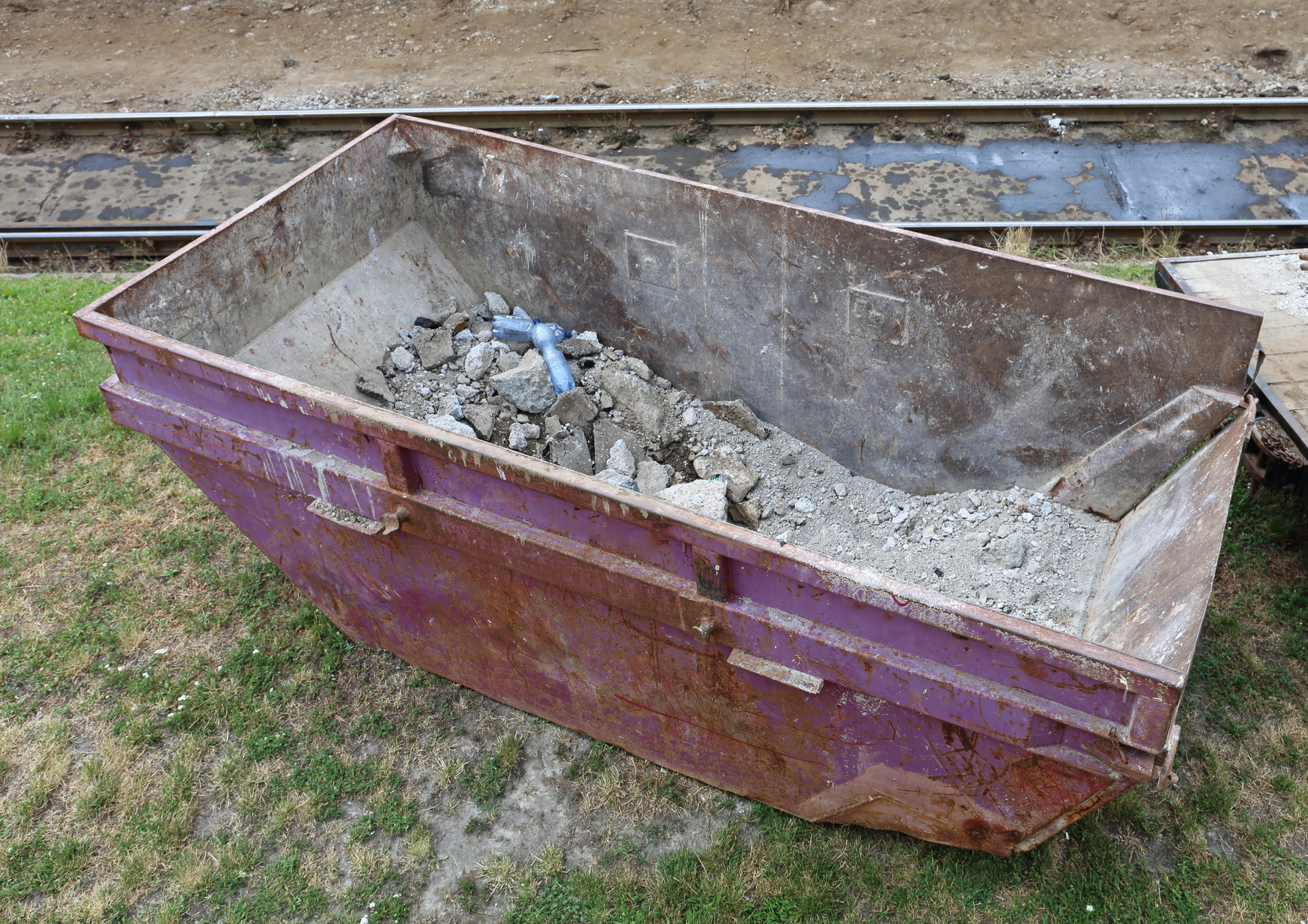
Excavation work often produces large quantities of earth and rubble, particularly when old foundations or damaged surfaces are removed before new installations begin. Heavy materials can quickly accumulate, making regular waste removal essential for maintaining access around the site. Without organised disposal arrangements, waste piles may begin affecting both productivity and overall site safety.
Different renovation methods can also influence the type of waste created. Resin-bound surfaces, natural stone patios, brick paving, and concrete driveways all produce different forms of debris during removal and replacement work. In some cases, renovation waste may also include vegetation, tree roots, broken garden structures, and unused construction materials.
Property improvements carried out across commercial premises or larger residential developments may create additional logistical challenges due to restricted access, parking limitations, or shared public areas. Waste management planning becomes particularly important in these environments to minimise disruption while supporting the ongoing progress of renovation work.
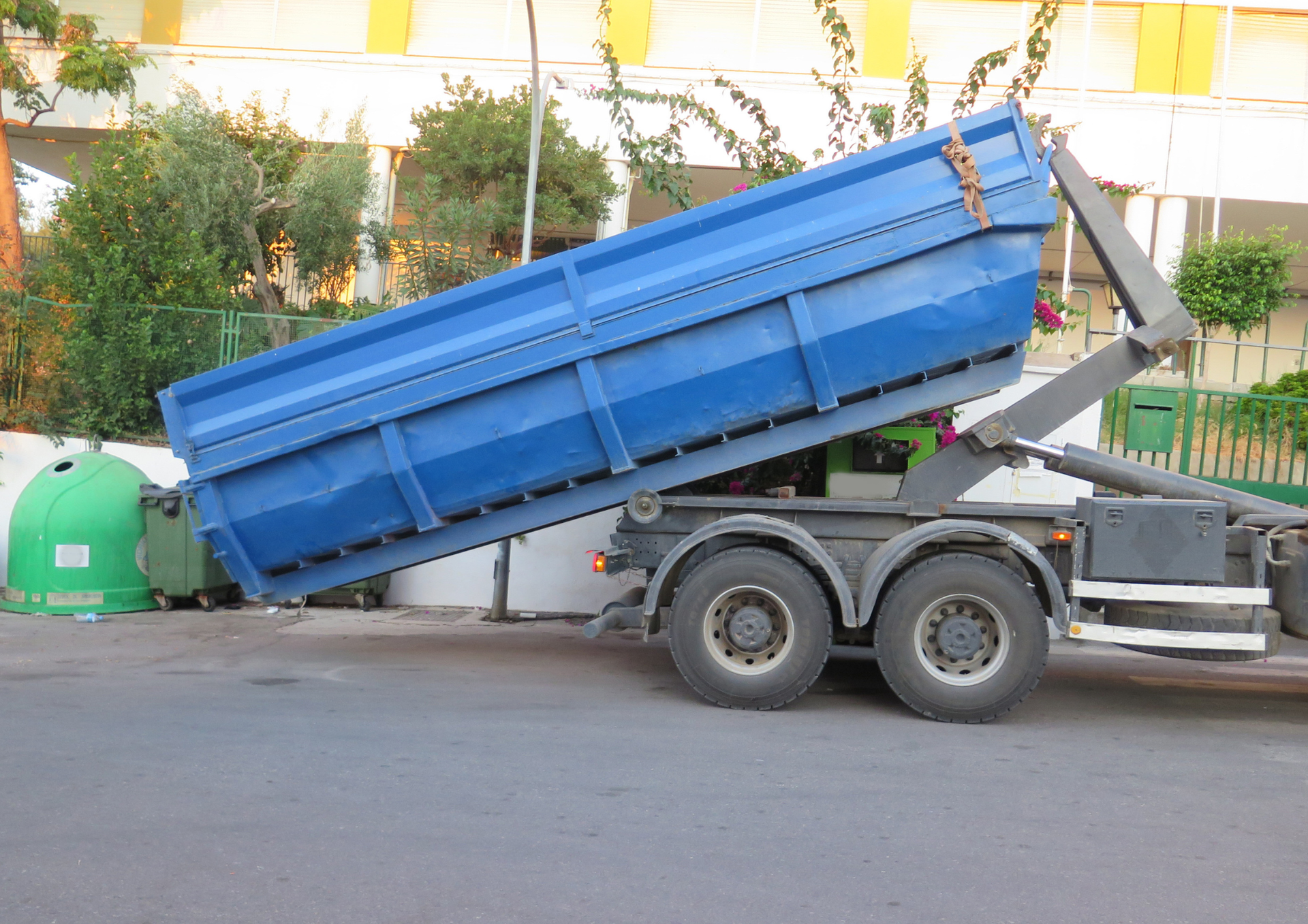
Many people researching renovation waste solutions eventually begin searching online for hire skip near me when looking for practical ways to manage debris removal during property improvement projects. Organised waste containment helps support cleaner working areas while reducing the need for repeated trips to disposal facilities.
Planning Waste Removal Throughout the Project
Proper planning plays an important role in keeping driveway and patio renovation projects organised from start to finish. Different stages of the work can produce varying amounts of waste, making structured waste management essential for maintaining cleaner, safer, and more efficient working conditions throughout the project.
Planning Waste Removal
- Estimating waste volumes early helps property owners and contractors prepare suitable disposal arrangements before work begins.
- Planning ahead reduces the risk of waste building up around the site during renovation work.
- Early organisation can help improve scheduling and site efficiency throughout the project.
Understanding Different Waste Volumes
- Smaller patio projects may only create limited amounts of debris and broken materials.
- Larger driveway excavations can generate significant quantities of soil, concrete, rubble, and hardcore waste.
- Understanding the scale of the project helps support more effective waste handling arrangements.
Access and Site Organisation
- Renovation work in residential streets or shared developments may require careful planning for waste collection placement.
- Waste areas should remain accessible without blocking pedestrian walkways or neighbouring properties.
- Maintaining clear access routes helps contractors continue working more efficiently.
Managing Waste Throughout the Project
- Demolition and excavation stages often produce the highest volumes of renovation waste.
- Regular waste removal helps prevent unnecessary clutter and overcrowding on site.
- Controlled waste management supports cleaner and safer working conditions.
Environmental Considerations
- Materials such as concrete, brick, timber, and metal may often be separated for recycling or controlled processing.
- Organised disposal methods can help reduce unnecessary landfill use.
- Responsible waste handling supports more environmentally conscious renovation practices.
Benefits of Organised Waste Collection
- Many contractors and property managers use local skip hire services to simplify waste removal during renovation work.
- Structured waste collection can help improve overall site management.
- This approach is particularly useful for bulky construction materials that are difficult to remove through standard waste systems.
Choosing Suitable Waste Solutions for Different Renovation Sizes
Every driveway and patio renovation project creates different waste management requirements depending on the scale of the work, the materials involved, and the overall layout of the property. Careful planning helps ensure waste is handled more efficiently throughout the project while supporting cleaner and more organised working conditions.
Small and Large Renovation Projects
- Some homeowners may only be replacing a small paved seating area or garden pathway.
- Larger projects may involve full outdoor redesigns with retaining walls, drainage systems, expanded parking areas, and landscaping work.
- Different project sizes often require different approaches to waste handling and removal.
Waste Containment Requirements
- Smaller projects may only generate limited amounts of broken paving, soil, or garden debris.
- Large-scale renovations involving excavation work often produce substantial volumes of rubble, concrete, and hardcore materials.
- Structured waste management becomes increasingly important as waste volumes and material weight increase.
Commercial and Public Sector Considerations
- Commercial premises and public sector properties may require additional planning for access and contractor coordination.
- Waste collection arrangements should minimise disruption to surrounding businesses, residents, and public areas.
- Organised waste handling can help support smoother day-to-day operations throughout the renovation process.
Managing Heavy Construction Materials
- Concrete, bricks, soil, and rubble are significantly heavier than standard household waste.
- Heavy materials may require different handling arrangements depending on the quantity being removed.
- Understanding material weight early helps avoid unnecessary delays and logistical issues later in the project.
Budgeting for Waste Management
- Property owners often review skip bin hire prices while planning renovation budgets.
- Waste removal costs are commonly considered alongside labour, materials, and equipment expenses.
- Early planning helps integrate waste management more effectively into the overall renovation schedule and budget.
Maintaining Safer and More Organised Renovation Sites
Driveway and patio renovation work can create busy construction environments where effective waste management plays an important role in maintaining safer and more organised working conditions. Keeping waste contained throughout the project helps improve accessibility, reduce hazards, and support smoother day-to-day progress during renovation work.
Maintaining Safer Working Areas
- Renovation sites often contain tools, machinery, uneven surfaces, and sharp construction materials.
- Regular waste removal helps create clearer pathways for contractors, occupants, and visitors.
- Organised waste handling can support safer movement around active work areas.
Reducing Site Clutter and Hazards
- Loose rubble, broken paving slabs, timber, and exposed materials can quickly become safety hazards if left unmanaged.
- Regular waste collection helps minimise clutter during demolition, excavation, and installation stages.
- Cleaner working areas may help improve efficiency throughout the project.
Supporting Property Maintenance Projects
- Landlords and surveyors managing refurbishment work often benefit from structured waste management arrangements.
- Contractors can usually work more effectively when surrounding areas remain accessible and organised.
- Coordinated waste handling may help support smoother project scheduling.
Managing Weather and Outdoor Conditions
- Heavy rain and strong winds can make loose construction waste more difficult to control.
- Unsecured materials may spread across driveways, pavements, and neighbouring areas if left exposed.
- Structured waste containment helps maintain cleaner site conditions during changing weather conditions.
Handling Mixed Renovation Waste
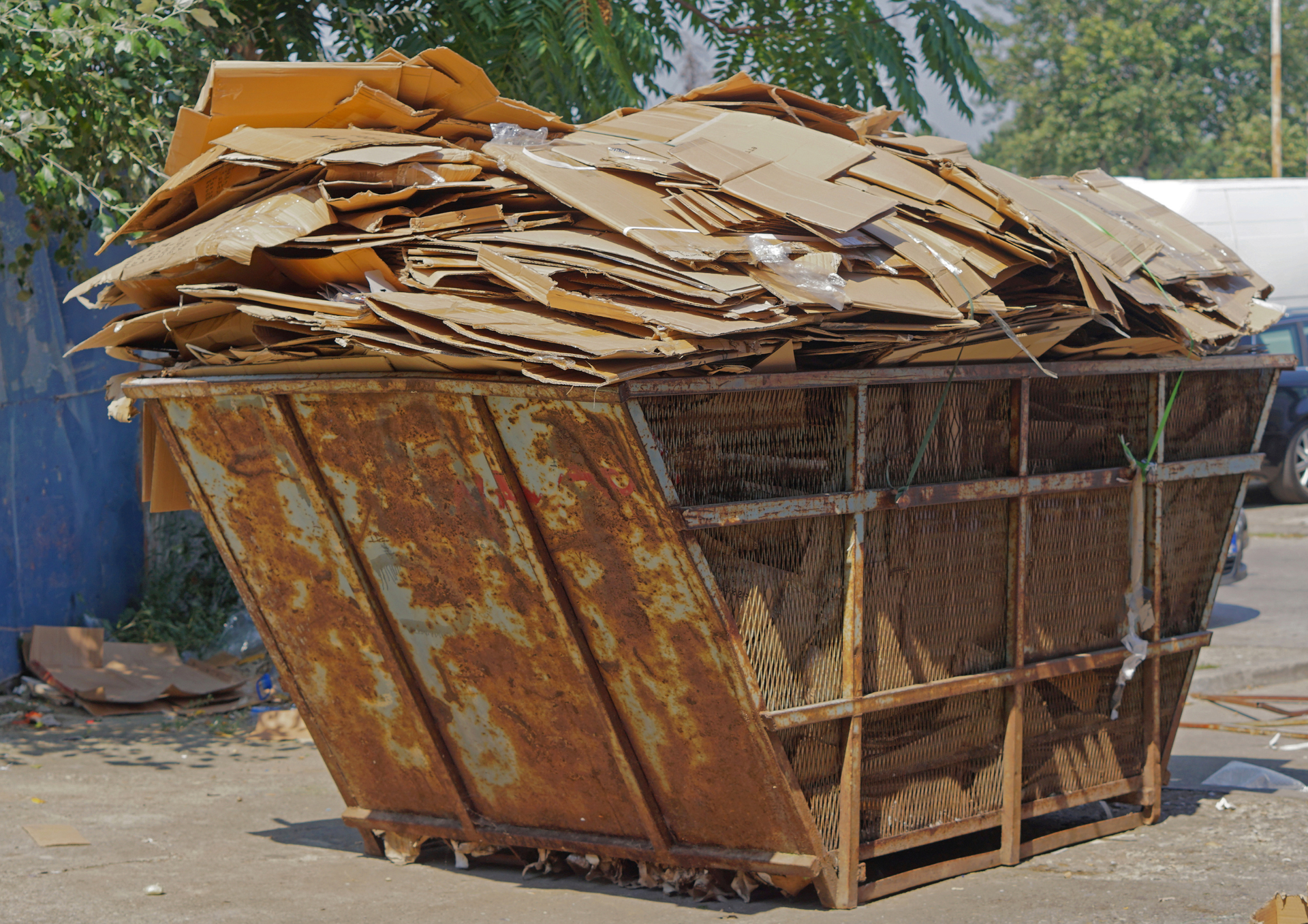
- Renovation projects may produce packaging materials, protective coverings, and mixed construction debris alongside heavier rubble waste.
- Flexible disposal arrangements can help accommodate changing waste volumes throughout different stages of the work.
- Organised waste separation may also improve site management during ongoing renovations.
Waste Solutions for Smaller Projects
- Some smaller outdoor renovation projects may generate more limited amounts of waste.
- In certain situations, property owners may consider using a skip bag for lighter materials and smaller quantities of debris.
- This option may be useful where site access is restricted or waste volumes remain relatively modest.
Skip Hire Poole provides practical waste management support for driveway, patio, and outdoor renovation projects across residential and commercial properties. We understand that every project creates different types and volumes of waste, which is why we focus on providing straightforward and organised solutions suited to a wide range of renovation requirements.
Our team works with homeowners, landlords, surveyors, contractors, and local authorities who require dependable waste collection arrangements throughout property improvement projects. We aim to support cleaner and more manageable work environments by helping customers remove construction debris, excavation materials, and renovation waste efficiently.
New Update on X:
Skip hire support for driveway and patio waste removal.
You might also like